|
|
Forum on Christianity and Spirituality
February 5, 2026: 7:30 p.m. CST Topic: Sharing by group: meaningful books. See https://shalomplace.com/inetmin/forum.html for more information and registration. __________
“Don’t set your heart on something less valuable than you yourself are. If you do that, you surrender your dignity because—remember—people come to resemble what they love.”
- Catherine of Siena
Awaken to yourself as the beloved of
God. |
Daily Readings
1 Samuel 18:6-9; 19:1-7
Psalm 56:2-3, 9-10a, 10b-11, 12-13 Mark
3:7-12 Jesus withdrew with his disciples to the lakeside, and great crowds from Galilee followed him. From Judaea, Jerusalem, Idumaea, Transjordania and the region of Tyre and Sidon, great numbers who had heard of all he was doing came to him. And he asked his disciples to have a boat ready for him because of the crowd, to keep him from being crushed. For he had cured so many that all who were afflicted in any way were crowding forward to touch him. And the unclean
spirits, whenever they saw him, would fall down before him and shout, ‘You are the Son of God!’ But he warned them strongly not to make him known.
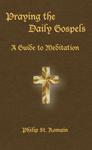
Praying the Daily Gospels: A Guide to Meditation, by Philip St. Romain, 2018 (3rd ed.) Mark 3: 7-12 (Jesus and the crowds) Again and again Mark writes of the crowds who followed Jesus for healing, teaching, and out of curiosity. Withdrawing from areas where conflict with the authorities might bring a premature end to his ministry, Jesus takes to the countryside, pursued by the crowds. He ministers on, undaunted. * An ancient story tells of Satan instructing evil spirits in the art of damning souls. The most
successful temptation was not to deny God's existence, or even the devil's existence, but "There's plenty of time." Why is this attitude so damning? Would you search for Jesus out in the countryside? * Spend some time with the words of the psalmist: "Be still and know that I am God!" (Psalm 46: 11).
Treatise on the Love of God, by St. Francis de Sales (1567-1622) ____________ BOOK VI: OF THE EXERCISES OF LOVE IN PRAYER Chapter 12: Of the outflowing or liquefecation of the soul in God. My heart, said the holy spouse, melted when he spoke. [300] And what
does melted mean save that it was no longer contained within itself, but had flowed out towards its divine lover? God ordered that Moses should speak to the rock, and that it should produce waters: no marvel then if he himself melted the heart of his spouse when he spoke to her in his sweetness. Balm is so thick by nature that it is not fluid or liquid, and the longer it is kept the thicker it grows, and in the end grows hard, becoming red and transparent: yet heat dissolves it and makes it
fluid. Love had made the beloved fluid and flowing, whence the spouse calls him oil poured out; and now she tells us that she herself is all melted with love. My soul, said she, melted when he spoke. The love of her spouse was in her heart and breast as a strong new wine which cannot be contained in the tun; for it overflowed on every side; and, because the soul follows its love, after the spouse had said: Thy breasts are better than wine, smelling sweet of the best ointments, she adds: Thy name
is as oil poured out. [301] And as the beloved had poured out his love and his soul into the heart of the spouse, so the spouse reciprocally pours her soul into the heart of her beloved; and as we see a honeycomb touched with the sun's ardent rays goes out of itself, and forsakes its form, to flow out towards that side where the rays touch it, so the soul of this lover flowed out towards where the voice of her beloved was heard, going out of herself and passing the limits of her natural being,
to follow him that spoke unto her. But how does this sacred outflowing of the soul into its well-beloved take place? An extreme complacency of the lover in the thing beloved begets a certain spiritual powerlessness, which makes the soul feel herself no longer able to remain in herself. Wherefore, as melted balm, that no longer has firmness or solidity, she lets herself pass and flow into what she loves: she does not spring out of herself as by a sudden leap, nor does she
cling as by a joining and union, but gently glides as a fluid and liquid thing, into the divinity whom she loves. And as we see that the clouds, thickened by the south wind, melting and turning to rain, cannot contain themselves, but fall and flow downwards, and mix themselves so entirely with the earth which they moisten that they become one thing with it, so the soul which, though loving, remained as yet in herself, goes out by this sacred outflowing and holy liquefaction, and quits herself,
not only to be united to the well-beloved, but to be entirely mingled with and steeped in him.
|
|
|